We've recently updated our Terms of Service and Privacy Policy.

If you're a small business owner, service provider, or non-profit leader, you've probably wondered: "Is my website good enough?" With so many templates, tools, and opinions out there, it’s easy to get overwhelmed. But a good website isn’t just about flashy design or trendy animations. It’s about how it makes your visitors feel and what it helps them do.
First impressions happen fast. If someone lands on your site and it feels cluttered, outdated, or hard to navigate, they’re gone. A good website builds trust immediately.
That means:
Trust also comes from transparency. Make sure your contact information is easy to find, your About page introduces the real people behind the business, and your services or offerings are clearly laid out.
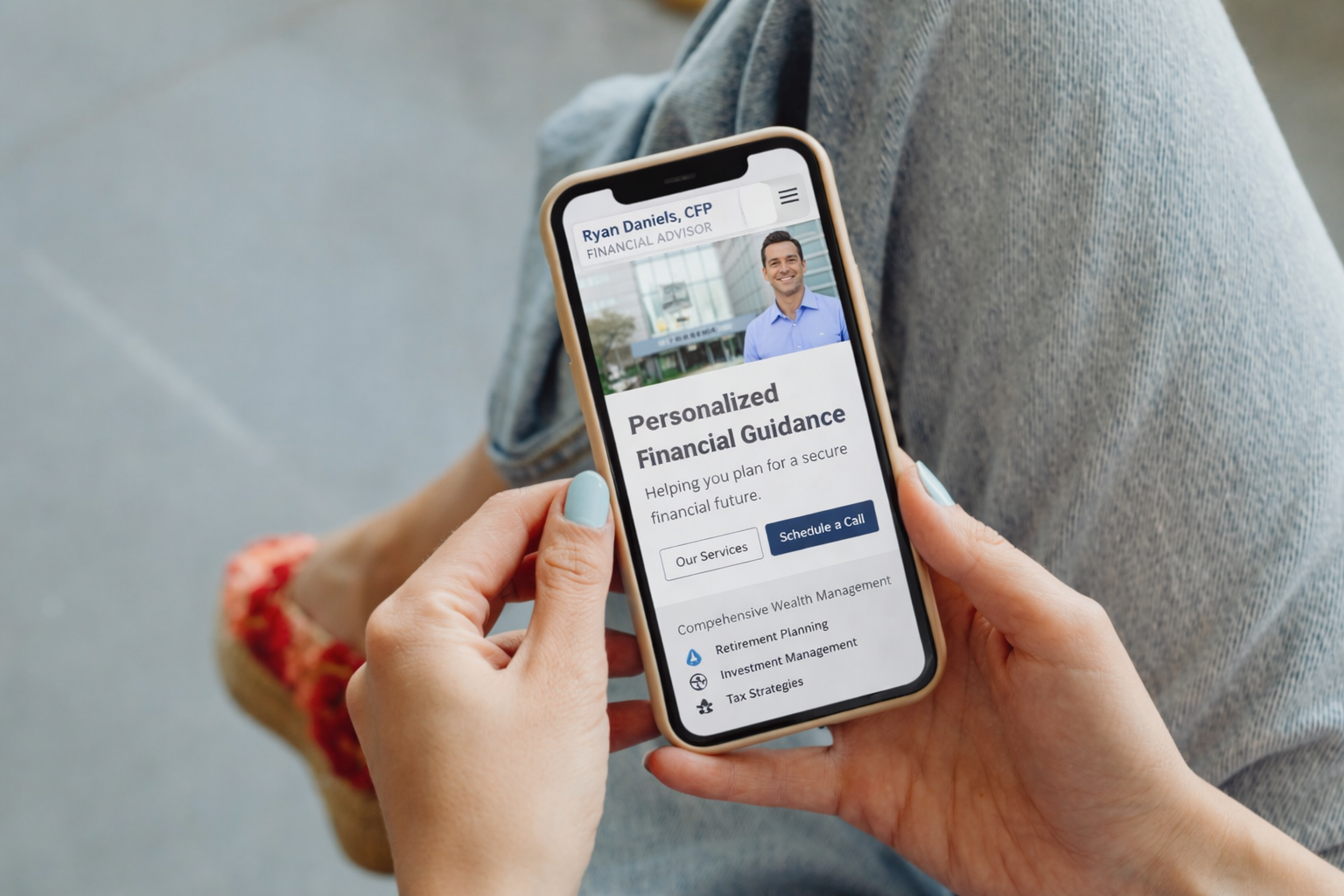
In 2026, mobile-first design is non-negotiable. The majority of your website traffic likely comes from people on their phones. If your site loads slowly, buttons are hard to tap, or text is too small to read, you’re losing visitors.
A mobile-friendly site is one that:
Check your own site by pulling it up on your phone. If you’re frustrated by it, your visitors are too.
Your website isn’t about you. It’s about the person visiting it. They have a question, a problem, or a goal, and they landed on your site hoping for clarity.
Think about the top five questions you get asked in real life. Your site should answer them quickly and simply.
For example:
This content can live on your homepage, service pages, or in an FAQ section. It’s not just good for your visitors. It’s good for SEO, too.
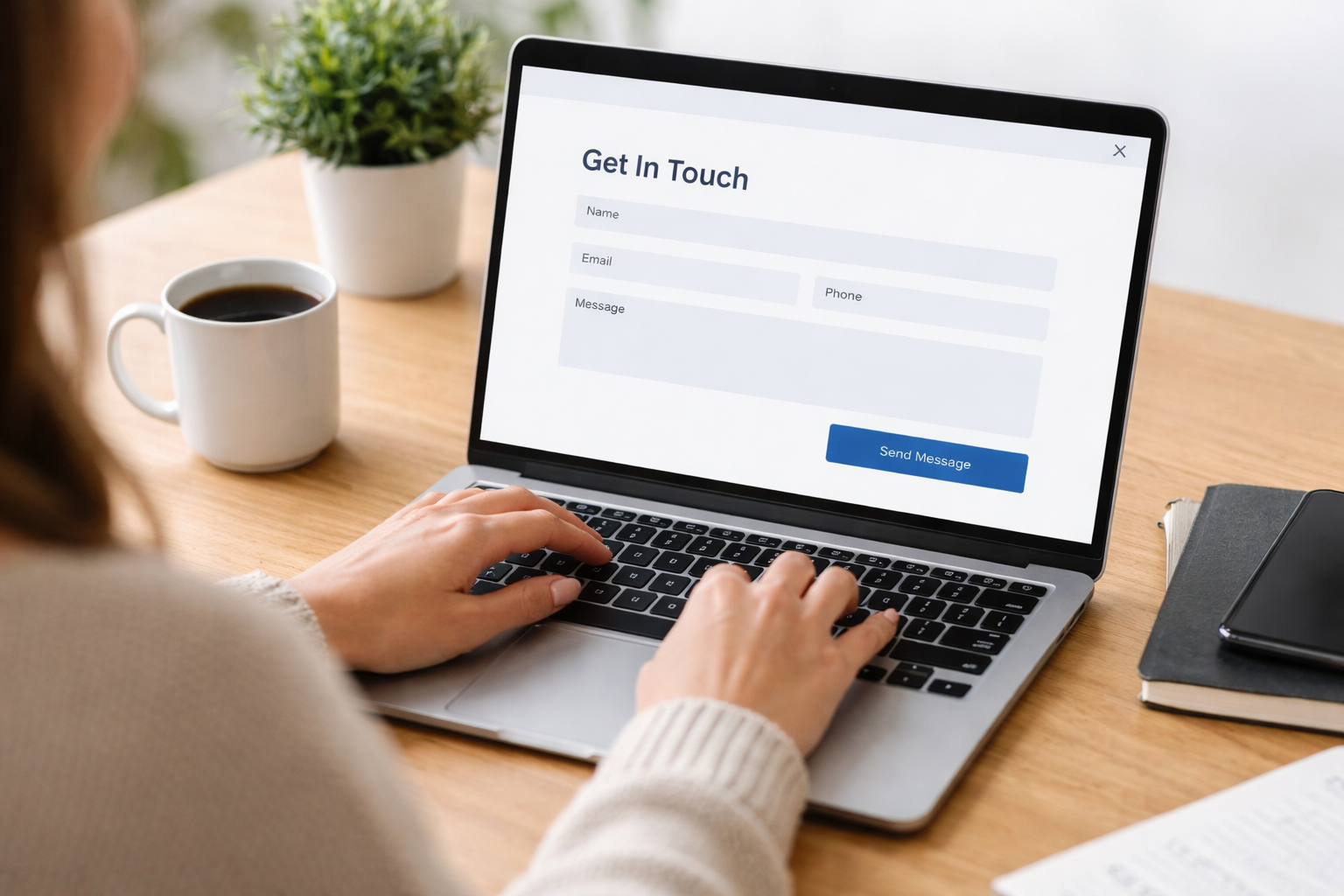
Every good website is built with action in mind. You want to guide people toward the next step, whether that’s booking a call, filling out a form, or making a purchase.
That means:
If someone has to hunt around to figure out how to reach you, they probably won’t.
Too many websites sound like they were written by a robot. Or worse, a committee. A great website sounds like it was written by a real person who understands what their audience is going through.
That comes through in your tone, your images, and your word choices. You don’t need to sound overly formal or corporate. Just sound like someone helpful.
Instead of saying: “We offer innovative and comprehensive tax preparation solutions,” try: “We help small business owners take the stress out of tax season.”
The goal is connection, not complexity.
An outdated website makes people wonder if your business is still active. If your last blog post is from three years ago, or your homepage is still talking about a seasonal sale that ended last year, it sends the wrong signal.
Keep your site fresh by:
Even small updates show that your business is alive, active, and paying attention.
Think of your website as the foundation of your online presence. Your social media, your email campaigns, your Google listing; everything points back to your site. It should be the place people land when they want to learn more.
When it’s done well, your website becomes more than a digital brochure. It becomes a relationship-builder. It makes people feel confident about reaching out, working with you, and trusting your expertise.
At Levitate, we help small businesses and service-based pros turn their websites into relationship-building tools. From writing content that feels personal to helping you organize your message around what your clients care about most, our platform is built to support trust-driven marketing.
Book a demo to see how your website can do more of the work for you, without losing your voice or your personal touch.
We’ll give you a call to set up time for your team and ours to meet virtually for a personalized demo.
Book a Demo


.png)
%20(1).png)
.svg)
.svg)