We've recently updated our Terms of Service and Privacy Policy.

In today's world, your service business's website is more than just a digital business card. It's a powerful tool that not only attracts potential clients but also helps retain them. As we move into 2026, understanding what makes a website effective is crucial for service providers looking to enhance their digital presence. Let's explore the essential elements that transform a website from a mere online brochure into a dynamic client-conversion machine.
Your homepage is often the first interaction potential clients have with your business, so it needs to be impactful. A well-designed homepage is both welcoming and informative, setting the tone for the rest of the site. It should clearly communicate who you are and what you offer.
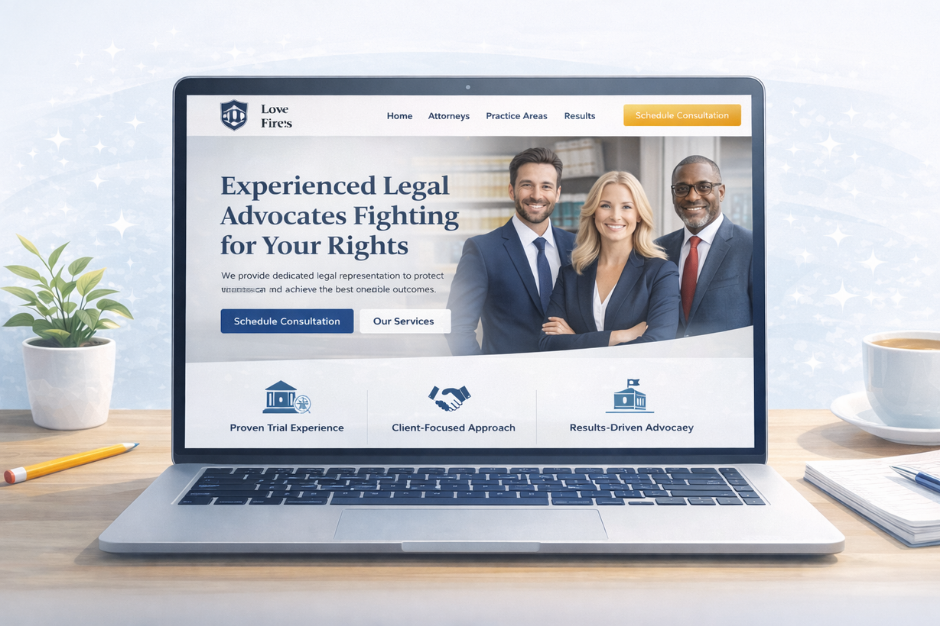
Begin by creating a clean and uncluttered design. Avoid overwhelming visitors with excessive information or images. Instead, use a simple, professional layout that emphasizes your brand's personality. A clear, bold headline should immediately communicate the core of what your service business provides. For example, if you're a plumber, state this clearly from the start. This clarity helps visitors quickly understand your offerings.
Visual elements play a significant role as well. High-quality images reflecting your services can make a substantial impact. If you're a landscaper, showcase your best work with vibrant before-and-after photos. If you're in the dog grooming industry, images of happy, freshly groomed dogs can convey quality better than words.
Moreover, include a compelling call-to-action (CTA) on your homepage. Whether it's "Get a Free Quote" or "Schedule a Consultation Today," ensure the CTA is visually distinct, using a contrasting color for the button and placing it prominently. This encourages visitors to take the next step, converting them from casual browsers into potential clients.
A well-organized menu is crucial for guiding visitors to the information they need. When designing your website, keep the menu simple yet comprehensive. An intuitive menu allows users to find information with minimal effort.
Start with essential categories: Home, About, Services, Contact, and Blog. Each category should be clearly labeled and link to pages with detailed, relevant information. If you offer multiple services, consider using a dropdown menu under the Services tab to list each one individually. This structure allows visitors to easily locate the specific service they're interested in, without sifting through unrelated content.
Ensure the menu is easily accessible. It should be at the top of the page, where users naturally look for navigation options. If your site is responsive—and in 2026, it absolutely should be—ensure the menu adapts for mobile users. A collapsible "hamburger" menu is a popular choice for mobile sites, maintaining a clean design while offering full navigation options.
Content is king. For service businesses, this means creating content that informs, builds trust, and establishes authority. Your website should feature clear, engaging content that explains who you are, what you do, and what sets you apart from the competition.
Start with your "About" page. This is your opportunity to tell your story—who you are, how you started, and why you're passionate about your work. Personal stories humanize your brand and make you more relatable to potential clients. Avoid jargon and opt for a natural, approachable tone.
When detailing your services, specificity is key. Don't just list what you do—explain the benefits. What problems do you solve? Why should someone choose your business over others? Use testimonials and case studies to substantiate your claims. Real-world examples provide social proof that you deliver on your promises.
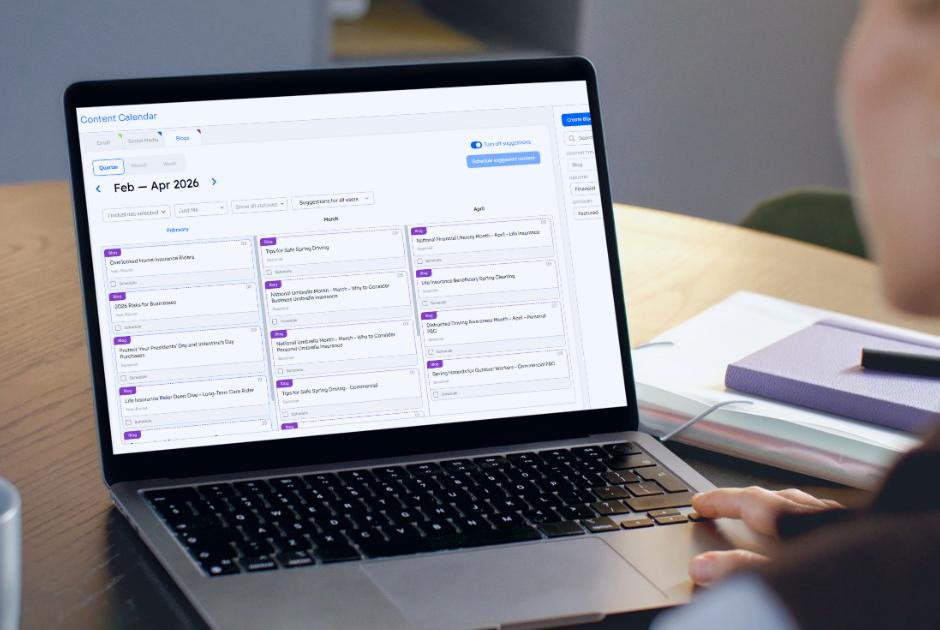
A blog can serve as an excellent tool for providing valuable content and establishing expertise in your field. Write about topics relevant to your audience's needs. For instance, if you're an HVAC company, post articles about energy-saving tips or selecting the right air conditioning unit. Not only does this help with SEO by naturally incorporating relevant keywords, but it also positions you as a knowledgeable resource.
In 2026, internet users are more security-conscious than ever. They need assurance that their personal information is safe when interacting with your website. A secure website builds trust, which is crucial for converting visitors into clients.
Ensure your website is secured with an SSL certificate. This not only protects data exchanged between your site and visitors but also signals to users that your site is trustworthy. A padlock icon next to the URL in the browser indicates SSL security—make sure your website has it.
Also, ensure your website loads quickly. Users expect fast load times, and a site that lags can frustrate visitors into leaving before exploring your offerings. Utilize tools like Google's PageSpeed Insights to evaluate your site's speed and receive improvement suggestions.
Design plays a role in building trust as well. A professional-looking website conveys reliability and stability. Avoid flashy animations or overly complex designs that detract from the user experience. Instead, focus on a clean, modern design that makes it easy for visitors to find the information they need.
As of 2026, mobile internet usage continues to surpass desktop usage. This means your service business website must deliver a seamless mobile experience. Without a mobile-friendly site, you risk losing potential clients who prefer browsing on their phones or tablets.
Responsive design ensures your website looks and functions well on all devices, from smartphones to desktops. This involves more than just resizing images—it means designing with mobile users in mind, ensuring buttons are large enough to tap easily and text is readable without zooming.
Consider adopting a mobile-first approach, designing your site for the smallest screen and then scaling up for larger displays. Mobile navigation should be just as intuitive as on a desktop. A sticky menu that remains at the top of the screen as users scroll can be helpful, allowing easy access to different sections without having to scroll back to the top.
Once a visitor is interested in your services, make it easy for them to get in touch with you. Your contact page should be straightforward and offer multiple ways for potential clients to reach you.
Include a contact form where users can send inquiries directly through your site. Keep the form simple, asking only for necessary information—name, email, and a message box typically suffice. Also, provide a phone number and address if applicable, as some clients prefer calling directly or visiting in person.
If you offer consultations or free quotes, highlight these on your contact page. Offering a scheduling tool can also streamline the process, allowing visitors to book a time directly from your website. This reduces friction and increases the likelihood of conversion.
A well-crafted website is indispensable for service businesses aiming to thrive in a digital-first world. From a compelling homepage to seamless navigation and trust-building security features, your website is a powerful tool for attracting and retaining clients. Levitate helps service businesses like yours integrate these key elements effortlessly, ensuring you maintain valuable client relationships without overwhelming your schedule.
Book a demo to see how it works for service businesses like yours and experience the difference a refined digital presence can make.
We’ll give you a call to set up time for your team and ours to meet virtually for a personalized demo.
Book a Demo


.png)
%20(1).png)
.svg)
.svg)