We've recently updated our Terms of Service and Privacy Policy.

In the world of insurance, trust is everything. Whether you’re offering home, auto, life, or commercial coverage, clients aren’t just buying a policy. They’re buying confidence that you’ll be there when it matters most.
Social media might not feel like a natural fit for building that kind of trust, but when used strategically, it can become an effective way to stay visible, build relationships, and earn referrals. You don’t need a huge following to make it work. You just need to show up consistently with helpful, human content.
Here’s how to use social media for insurance marketing in a way that feels natural, manageable, and meaningful.
Most people don’t log into Facebook or Instagram hoping to shop for insurance. That’s why using social media only to push products or promote policies often falls flat.
Instead, think of it as a way to keep your name top of mind. When someone has a question about coverage, gets into an accident, or is referred by a friend, you want your agency to be the one they already recognize and trust.
Approach social media the same way you’d approach an in-person conversation: be helpful, friendly, and authentic.
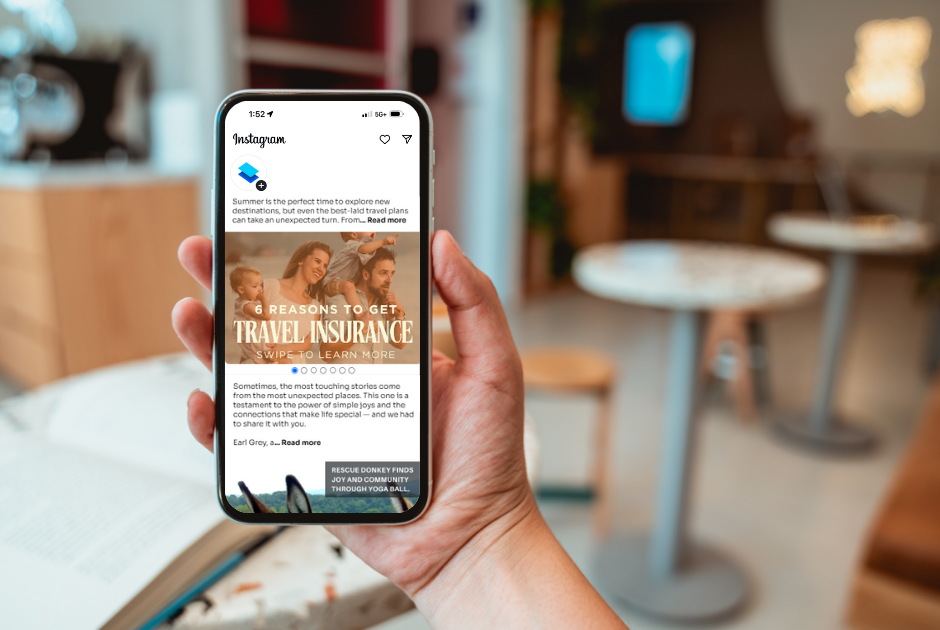
If you’ve ever sat at your desk wondering what to post, you’re not alone. The good news is, you don’t have to reinvent the wheel. The questions your clients ask every day are perfect starting points for content that educates and reassures.
Here are some practical ideas you can pull from:
Timely Reminders and Tips
Insurance 101
Community and Team Highlights
Client Conversations (anonymized)
Personalized Stories
These kinds of posts show that you care about protecting people, not just selling to them. Over time, they position you as a trustworthy expert in your community.
You don’t need to be everywhere. Start with the platforms your clients actually use. For most insurance professionals, that means:
Pick one or two platforms and focus on consistency. One thoughtful post per week is better than a flurry of posts followed by silence.

Engagement doesn’t have to mean hundreds of likes. It’s about sparking real connection. When someone comments or shares your post, reply with a thank you. If a client tags a friend in need of coverage, follow up directly. These small interactions can build loyalty over time.
Make sure someone on your team is checking messages regularly. Many clients now reach out via social media just like they would by phone or email. A quick response can mean the difference between a missed opportunity and a booked policy.
Social media and email work better together. If you post a helpful tip about protecting your home during winter storms, include the same tip in your monthly client email.
Levitate makes it easy to repurpose content across channels so you can stay top of mind without doubling your workload. Social-style content in emails also helps your messages feel more conversational and less corporate.
It’s helpful to know which posts get the most clicks or comments. But keep in mind that social media marketing for insurance is more of a slow burn than an instant payoff.
A client may scroll past your coverage explainer today and come back to it three months from now when their policy is up for renewal. Visibility and consistency matter just as much as metrics.
When you find topics that resonate, whether it’s life insurance planning or local weather prep tips, lean into those themes. But don’t get discouraged if some posts get lower engagement. Each one is still helping build your brand in the background.

Using social media for insurance marketing doesn’t mean you have to become a full-time content creator. It means showing up with empathy, offering value, and making it easy for clients and prospects to remember who you are and what you stand for.
By combining consistent social content with personalized email and real-life follow-up, you can strengthen relationships, earn referrals, and grow your book of business in a way that feels authentic.
And with Levitate, you can make that entire process simple. From scheduling posts to sending email check-ins and building referral touchpoints, it’s all in one place.
Want help creating a relationship-first marketing strategy? Let’s talk.
We’ll give you a call to set up time for your team and ours to meet virtually for a personalized demo.
Book a Demo


.png)
%20(1).png)
.svg)
.svg)