We've recently updated our Terms of Service and Privacy Policy.

Bringing in new clients will always be part of growing a business, but it shouldn’t be the only focus. If you spend most of your time chasing leads and investing heavily in new client acquisition, you might be overlooking a far more profitable opportunity: the clients you already have.
In 2026, client retention isn’t just smart, it’s essential for businesses that want steady growth, deeper relationships, and sustainable revenue.
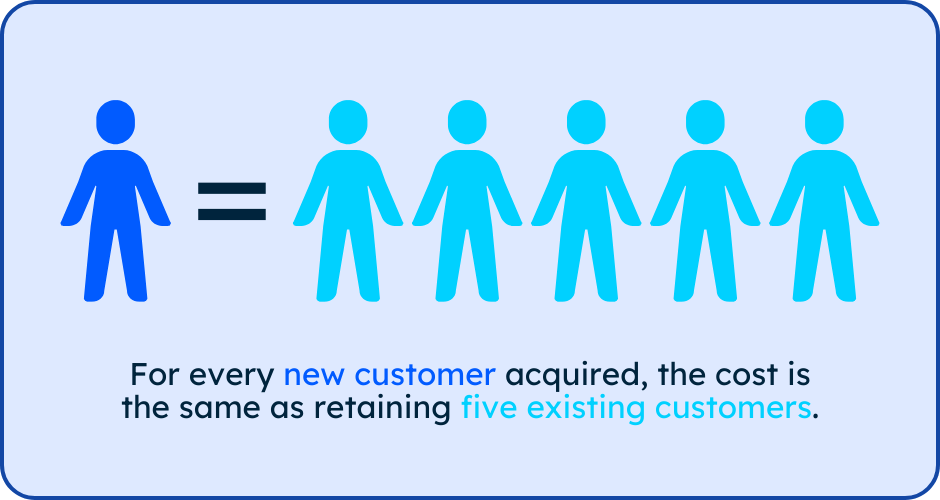
Acquiring a new client can be expensive and unpredictable. There are marketing costs, onboarding time, and the work of proving your value all over again. Meanwhile, a retained client already knows you. They understand your process, and they trust you. That makes it easier and cheaper to deliver value.
When you retain a client, you increase your revenue without significantly increasing your acquisition spend. That’s what makes it so profitable.
These numbers highlight a simple truth: retaining clients tends to cost less and deliver more, especially when done consistently.
Trust isn’t just comforting, it’s profitable. Over time, loyal clients tend to:
Because they already know and trust you, the threshold for saying “yes” tends to be lower. That makes your lifetime value (LTV) for each client significantly higher and more predictable.
You still need new clients. Growth often depends on them. But the most profitable businesses know that growth built on both retention and acquisition outperforms growth built on acquisition alone.
That means:
When you make relationships central to your strategy, not just transactions, your revenue becomes more stable and your growth more sustainable.
Retaining clients isn’t just good luck. It’s about showing up consistently, being genuine, and making communication easy. For busy professionals or teams, that’s easier said than done, but it is doable with the right system.
A relationship-marketing system helps you:
This kind of proactive care keeps clients engaged, which means they’re more likely to stick around, stay loyal, and refer others.

If your marketing plan focuses only on finding new leads, you might be working harder than you need to. Retention offers a track record of profitability, loyalty, and long-term returns.
It’s steadier. It’s smarter. And if you treat your clients as relationships instead of transactions, you’ll be building more than revenue. You’ll be building a network of advocates.
Looking to build a system that grows your business by keeping relationships strong? Book a demo with a product expert today and see how Levitate makes it simple to stay connected.
We’ll give you a call to set up time for your team and ours to meet virtually for a personalized demo.
Book a Demo


.png)
%20(1).png)
.svg)
.svg)