We've recently updated our Terms of Service and Privacy Policy.

The best fundraisers do more than bring in donations. They give nonprofits another opportunity to introduce people to their mission, strengthen existing relationships, and give supporters a reason to stay involved.
From community events to online campaigns, there are plenty of ways to raise money. The right approach depends on your audience, your resources, and how you plan to continue engaging supporters after the fundraiser ends.
In-person events can raise money while creating memorable experiences around your mission. Choose a format that fits your organization and gives supporters a meaningful way to participate.
The event itself is only one part of the opportunity. Following up with attendees afterward can help turn participation into a longer-term relationship.
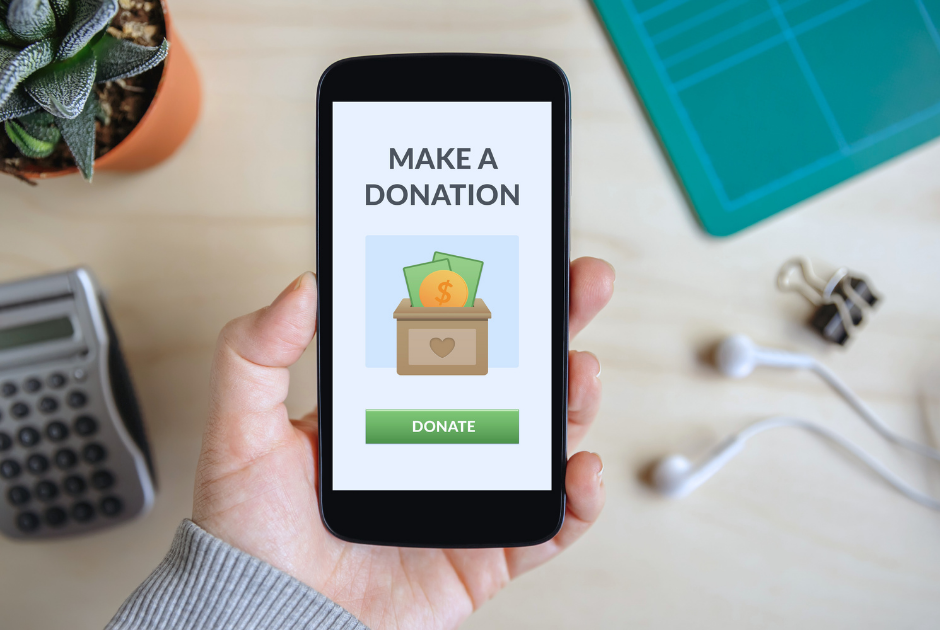
Digital fundraising makes it easier for supporters to participate regardless of location and gives nonprofits more ways to share their mission online.
Whatever format you choose, make the next step clear. Supporters should know why their contribution matters and how to get involved.
Selling merchandise can generate revenue while giving supporters another way to show their connection to your organization.
Popular options include:
Focus on items your audience will actually want to use or share. Merchandise should support your mission rather than becoming an unnecessary expense or logistical burden.
Raffles, drawings, contests, and auctions can add energy to a fundraising campaign, but requirements vary depending on where your nonprofit operates.
Before launching one, review applicable state and local regulations, registration requirements, and tax considerations. Some activities may require permits or may be subject to specific rules.
Being transparent about how funds will be used is also an important part of maintaining trust with supporters.
Board members can play an important role in introducing new people to your organization and strengthening relationships with existing supporters.
Depending on your organization, board members might:
Fundraising does not have to mean asking every board member to make a direct solicitation. Their relationships and advocacy can be just as valuable.
Not every fundraising idea will make sense for every nonprofit. Before committing to a campaign, consider:
Review the results after each campaign and use what you learn to improve the next one.

A successful fundraiser should not end when the campaign does.
Someone who attends an event, makes a first-time donation, or participates in a peer-to-peer campaign has already shown an interest in your mission. Continued communication gives you the opportunity to deepen that relationship.
Consider following up with:
The goal is not to constantly ask for another donation. It is to keep supporters connected to the work they chose to support.
Keeping track of donor relationships becomes increasingly important as your nonprofit grows.
A donor management or CRM system can help your team organize contact information, donation history, previous conversations, event participation, interests, and other useful details.
With that information in one place, nonprofits can create more thoughtful follow-up. For example, a first-time donor may receive a different message than a longtime supporter, volunteer, recurring donor, or event attendee.
Automation can also help with recurring communication, such as thank-you messages, reminders, and scheduled check-ins, while still allowing your outreach to feel personal.
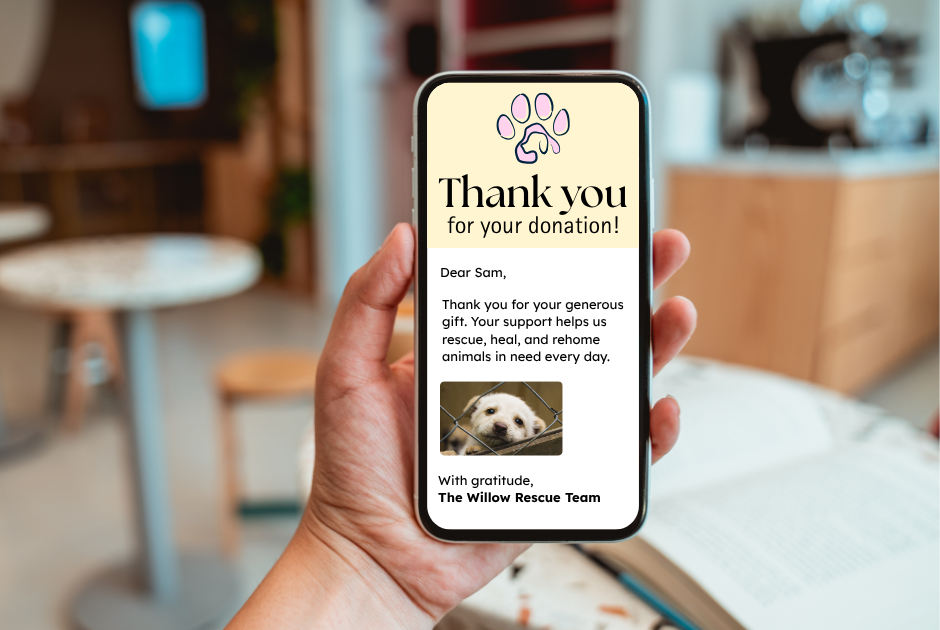
Social media can help nonprofits stay visible between fundraising campaigns while giving supporters a simple way to share their work with others.
Use your channels to:
The strongest nonprofit social strategies are not only promotional. They consistently remind people why the organization exists and what their support makes possible.
There are plenty of types of fundraisers nonprofits can try, but the fundraiser itself is only part of the strategy. What happens before and after someone gives can be just as important.
Levitate helps nonprofits stay connected with the people who make their work possible through personalized email, text messaging, social media, handwritten cards, donation tools, and automated relationship-building touchpoints.
Instead of letting a first donation or event registration become a one-time interaction, your team can continue building the relationship over time.
See how Levitate helps nonprofits strengthen donor relationships, stay top of mind, and make consistent outreach easier. Book a demo today.
We’ll give you a call to set up time for your team and ours to meet virtually for a personalized demo.
Book a Demo


.png)
%20(1).png)
.svg)
.svg)