
Top Insurance Marketing Techniques to Grow Your Agency in 2027
October 27, 2025 · Updated October 29, 2026


Director of Digital Marketing
The insurance marketing techniques that grow agencies in 2027 start with the clients you already have: regular check-ins, personal touches at renewal, and steady requests for reviews and referrals. Add a strong presence on Google and in AI search, some helpful content, and automation that saves time without sounding robotic. You don't need all nine at once, so pick one or two and do them well.
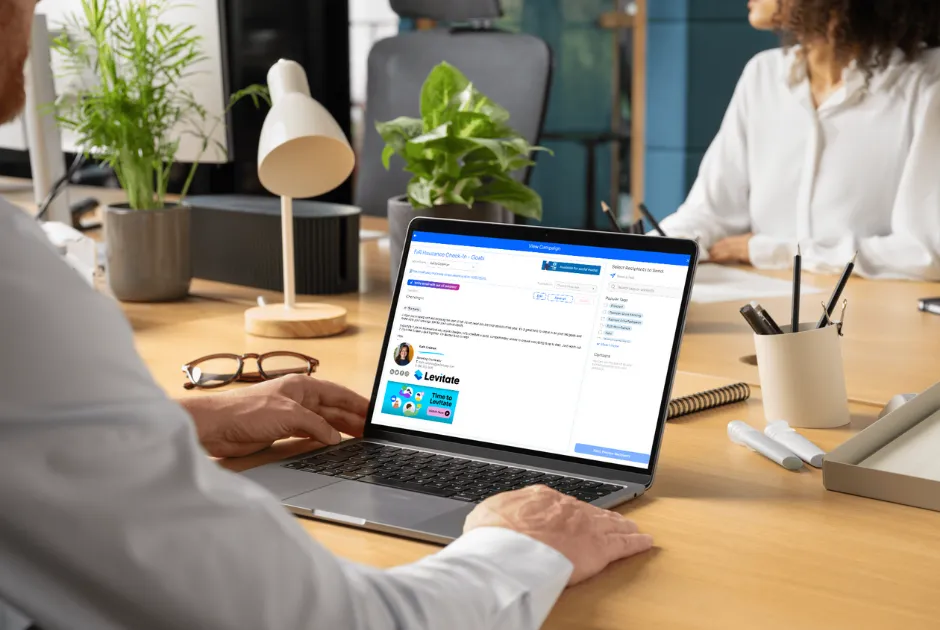
Why should client retention come first in insurance marketing?
Your current book is your best source of growth. Clients who feel looked after renew, add policies, and send friends your way.
It's also easier than ever for clients to leave. Nearly half (47%) of new auto and home policies are now bought digitally, according to JD Power research reported by Insurance Business. A client who hasn't heard from you since last renewal can compare quotes and switch in one evening.
Ways to stay in touch between renewals:
- Renewal check-ins: Reach out a few weeks before renewal to review coverage and answer questions before they start shopping.
- Policy anniversaries: A short "thanks for being with us another year" note goes a long way.
- Life events: A new home, a new baby, a teen driver, or a growing business all change what coverage a client needs.
- Seasonal reminders: Storm prep, holiday travel, and year-end business reviews give you a helpful reason to call.
Knowing your clients well pays off. In JD Power's 2026 small commercial study, satisfaction scored 750 out of 1,000 when both the insurer and the agent completely understood the customer's business, compared with 547 when neither did (source).
For more ideas, read our guide to simple ways to boost insurance retention.
How do you personalize insurance marketing without more work?
Start with what you already track. Group clients by policy type, renewal date, personal or commercial lines, and life stage. Then send messages that fit each group.
A homeowner might get a reminder to update coverage after a remodel. A small business owner might get a note about reviewing coverage as they hire.
Birthdays and anniversaries are easy wins. A short personal note, or even a handwritten card, tells clients you see the person, not just the policy.
Does email marketing still work for insurance agencies?
Yes, when it sounds like you. The best insurance emails come from your own inbox and read like a message from a person, not a brand. Skip the corporate copy, and write the way you'd talk across your desk.
Match the length to the message. A quick check-in can be a few lines: "Saw the storm forecast for this weekend. Here are three quick ways to protect your home, and call me if you have questions about your coverage." Other topics need more room, like explaining a rate increase, walking clients through a coverage change, or sharing what's new at your agency. A longer email is fine there, as long as it stays clear, useful, and personal.
Good reasons to email clients:
- A welcome after a new policy
- A check-in after a claim
- A heads-up before renewal
- A congrats on a new home, new car, or new business
- An update on rate changes, new coverage options, or seasonal risks
How do insurance agents get more Google reviews?
Ask, and keep asking. In a 2026 survey of 1,002 U.S. consumers, 97% said they read reviews for local businesses, and 83% of people who were asked to leave a review went on to write one (source).
Fresh reviews matter most. The same survey found 74% of consumers only care about reviews from the last three months, and 47% won't use a business with fewer than 20 reviews. That means review requests should be a steady habit, not a one-time push.
Tips that work:
- Ask after a good moment: a smooth claim, a policy that saved money, or a quick answer to a tricky question.
- Send a direct link so leaving a review takes less than a minute.
- Reply to every review, good or bad. The same survey found 89% of consumers expect owners to respond. Keep replies personal, and never mention policy or claim details.
- Don't offer gifts or discounts for reviews. Google doesn't allow it.
For scripts and timing tips, read how to ask for a review from customers the right way.
How do you ask for referrals without feeling pushy?
Referrals come from trust, so ask when a client is already happy with you. Keep it personal and short:
"I'm so glad we were able to get you the right coverage. If you know anyone else who might benefit from the same, I'd really appreciate a referral."
Make it easy by telling them exactly what to do, like forwarding your number or a booking link. Thank every client who refers someone, even if the referral doesn't buy. If you want to send a thank-you gift, check your state's rules first, since some states limit what agents can give.
How can your agency show up in local search and AI search?
Start with your Google Business Profile. Fill in your hours, service area, the lines of coverage you write, and real photos of your office and team. Keep it updated.
Then check your website:
- Put your city and state in page titles, headings, and copy.
- Give each main line of coverage its own page.
- Make it easy to call, email, or book a meeting from every page.
AI search matters now too. In 2026, 45% of consumers used AI tools like ChatGPT for local business recommendations, up from 6% the year before (source). These tools draw on the same places customers do, like your website, listings, and reviews. Keep your details accurate and consistent everywhere.
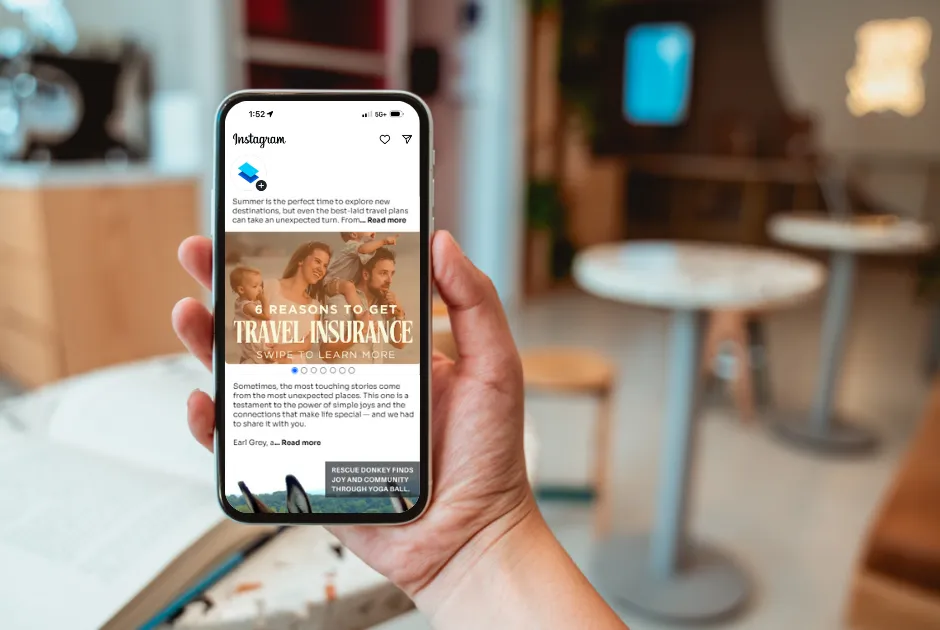
Which social media platforms should insurance agents use?
Pick one or two platforms where your clients already spend time, and post consistently. Consistency matters more than perfection.
- LinkedIn: Best for reaching business owners and commercial lines clients.
- Facebook: Great for local visibility and staying in touch with personal lines clients.
- Instagram: Good for short videos and a behind-the-scenes look at your team.
What to post: quick explainer videos, community events you support, team introductions, and client reviews (with permission). Check your state and carrier advertising rules before posting anything about coverage or pricing.
Need ideas? Start with our guide to social media content for insurance agents that builds real connections.
What content should insurance agents create?
Answer the questions clients already ask you. If three people asked it this month, more are searching for it online.
Topic ideas:
- What does a life insurance rider do?
- When should I update my auto policy?
- Does homeowners insurance cover water damage?
- What insurance does a new small business need?
Turn each answer into a short blog post, a one-minute video, or an email. Clear answers to real questions help both search engines and AI tools point people to you. Keep it general, and remind readers to check their own policy or call you for details.

How can automation and AI save your agency time?
Automate the tasks you repeat every week:
- Birthday and policy anniversary notes
- Renewal reminders
- Follow-ups after a quote
- Review requests after a positive interaction
AI can also draft emails and social posts and help you prepare for client calls. Keep the human part human. Read everything before it goes out, add a personal line, and double-check facts and state rules. Choose tools that connect to your agency management system so client details stay current.
Where should your agency start?
Choose one or two techniques and give them a full quarter. For example, start renewal check-ins and send review requests after every good interaction this month.
Track a few simple numbers: retention rate, new reviews, referrals, and quote requests. Keep what works and adjust what doesn't.
Most of these techniques come down to one habit: reaching the right client at the right time. Levitate's AI agents flag who in your book to reach out to and why, so you always know who needs a check-in next without digging through spreadsheets. See how it works for insurance agencies, then book a demo to see it with your own book of business.
Frequently asked questions
What is the most effective marketing for insurance agents?
Staying in regular, personal contact with current clients is usually the most effective. It protects your renewals and leads to reviews and referrals, which bring in new clients who already trust you.
How often should insurance agents contact clients?
Reach out at renewal, on birthdays or policy anniversaries, and whenever a life change could affect coverage. Add a few helpful touches during the year, like a seasonal tip or an update on changes that could affect their policy.
How many Google reviews does an insurance agency need?
Aim for at least 20 and keep them coming. In a 2026 survey, 47% of consumers said they won't use a business with fewer than 20 reviews, and most only trust reviews from the last three months (source).
Can insurance agents use AI for marketing?
Yes. AI can help draft emails, social posts, and blog content, and flag which clients to contact. Always review what it writes for accuracy and to make sure it follows your state's advertising rules.