
How to Maximize the Impact of Social Media for Fundraising
February 25, 2026 · Updated November 16, 2026
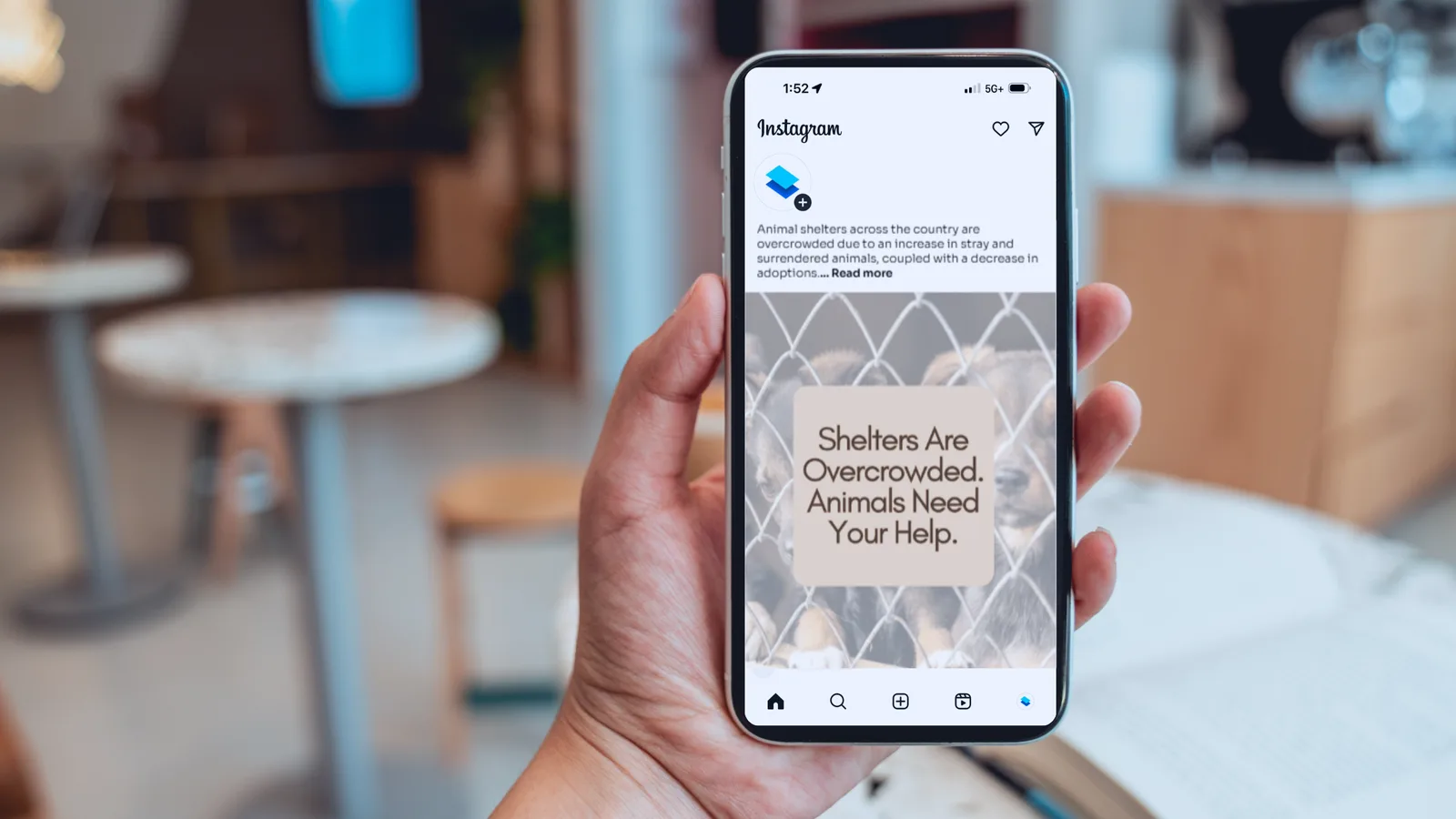

Marketing Specialist II
To get the most from social media for fundraising, tell one clear story, send people to a donation page you control, and thank everyone who gives right away. Focus on the one or two platforms where your supporters are most active, set a specific goal before you launch, and track which posts actually lead to gifts. Social media works best as the spark that gets people to your page, with your own follow-up doing the rest.
What role does social media play in nonprofit fundraising?
Social media is where you build awareness and momentum. It lets supporters share your campaign with friends, gives you a two-way conversation with donors, and keeps your work visible between appeals.
But most of the giving tends to happen off the platform. In the M+R Benchmarks Study, revenue from Facebook Fundraisers fell 42% in 2024 and made up just 0.2% of participating nonprofits' online revenue. That doesn't mean social media isn't worth it. It means its main job is to tell your story and point people to where they can give.
Giving days show how much attention is out there. In the U.S., GivingTuesday 2025 drew an estimated $4.0 billion in donations and 38.1 million participants. A steady social presence helps your organization get noticed in moments like that.
How do you tell a fundraising story that gets people to give?
People give to people, not statistics. A strong fundraising story has three parts: a real person or need, what your organization did, and what a gift makes possible next.
- Start with one person or moment. A family, a rescued animal, a student. One story beats a list of program results.
- Show it. Before-and-after photos and short videos help people see the need, and the change, for themselves.
- Let others tell it. A quote from a volunteer, donor or person you serve adds credibility. Always get permission first.
- Make the ask specific. Say what a gift does, using your real costs. "Your gift of $X covers Y" is easier to act on than "please donate."
- Make giving easy. Link straight to your donation page, not your home page.
Which social media platforms work best for fundraising?
Each platform plays a different role. Pick based on where your supporters are and what you can keep up with.
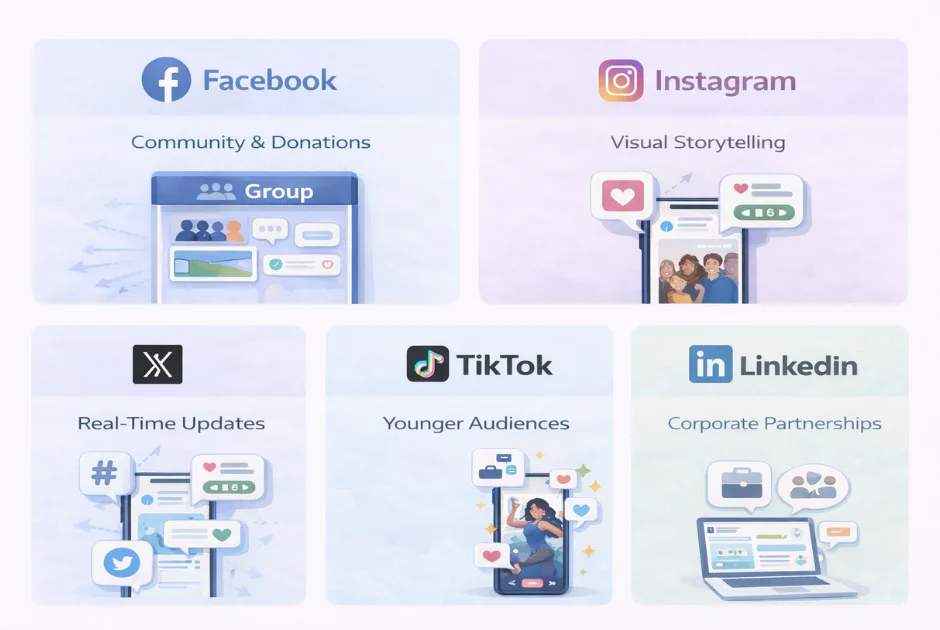
Facebook: community and donations
71% of U.S. adults use Facebook, which makes it a strong home base. Use it for event pages, live videos and a Facebook Group where supporters can connect. Polls and questions get people talking and sharing.
Facebook also offers a Donate button and fundraisers. Since October 31, 2023, Meta has partnered only with PayPal Giving Fund for U.S. nonprofit donations, and Meta's help center says it no longer covers processing fees. For U.S. donations, the fee is 1.99% plus $0.49 per gift. Weigh that against sending people to your own donation page.
Instagram: visual storytelling
Half of U.S. adults use Instagram. Use Reels and Stories for behind-the-scenes moments, quick impact updates and success stories. Interactive Story features like polls and questions keep people engaged. Eligible U.S. nonprofits can also raise money on Instagram with fundraisers, donation stickers in Stories and a Donate button on their profile.
X: real-time updates
X works for quick news, live event updates and campaign hashtags, but check whether your supporters are still there. Among nonprofits in the 2026 M+R Benchmarks Study, X was the only platform where follower counts dropped, and 31% of nonprofits on it planned to leave or sunset their account.
TikTok: younger audiences
37% of U.S. adults use TikTok, and it rewards casual, authentic video. Short clips of your team, your volunteers or your mission in action can reach supporters who may never open a fundraising email. Influencers can help here too. 58% of M+R Benchmarks participants worked with influencers in 2025.
LinkedIn: corporate partners
LinkedIn is easy to overlook, but it's where business owners, employers and professionals spend time. Share impact reports and partnership news, thank corporate sponsors publicly, and remind followers to check whether their employer matches gifts.
How do you build a community of supporters who keep giving?
Repeat gifts come from people who feel part of something. A few ways to build that feeling:
- Give supporters a place to gather. A Facebook Group, a campaign hashtag or a virtual event lets people connect with you and each other.
- Invite them to share. Ask supporters to post why they give or share their photos from your events.
- Recognize people publicly. A shout-out to a donor, volunteer or sponsor (with permission) thanks them and inspires others.
- Follow up personally. A thank-you email or a handwritten note after a gift means more than any post.
For more ways to raise money online, see digital fundraising ideas that actually work.
How do you measure social media fundraising results?
Set a specific goal before you launch: a dollar amount, a number of new donors or a number of shares. Then track it.
- Use tracking links. Add UTM tags to the links in your posts so you can see which platform and post sent people to your donation page.
- Watch the right numbers. Clicks, donation page visits, gifts and new donors matter more than likes.
- Check platform analytics. See which post types and times get the most engagement.
- Adjust mid-campaign. If one story is working, share more like it. If a platform isn't sending traffic, shift your time.
- Ask your supporters. A short survey after a campaign tells you what moved people to give.
Your donation page matters as much as your posts. Here's how to build a donation landing page that converts.
How do you keep posting when your team is stretched thin?
Fundraising campaigns work best when supporters have been hearing from you all year, and that takes steady posting. Levitate's social media tools include ready-to-post content written for nonprofits that you can brand and schedule weeks ahead on Facebook, Instagram and LinkedIn. Learn more about Levitate for nonprofits.
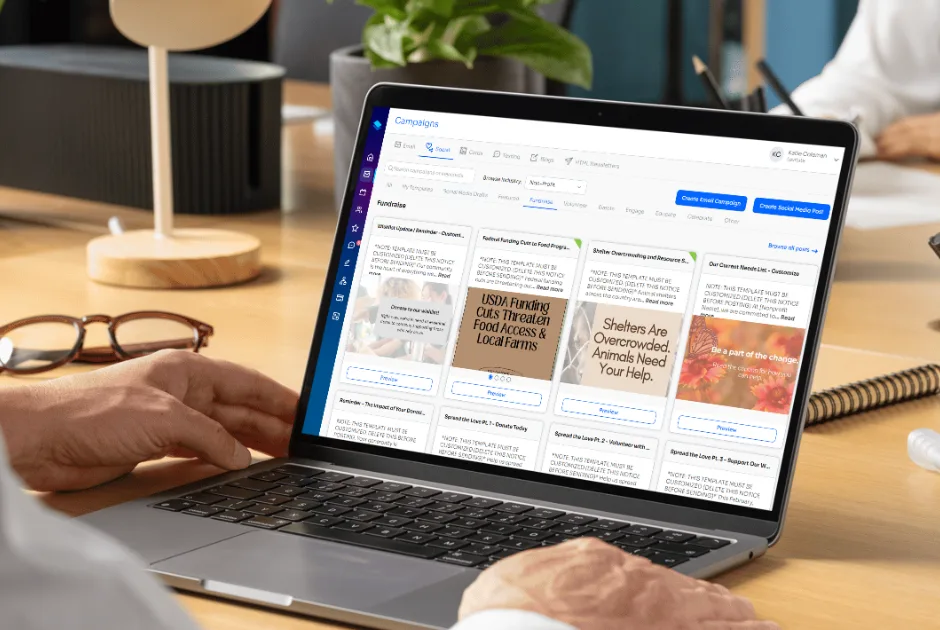
Book a demo and we'll show you the fundraising posts ready for your next campaign.
Frequently asked questions
Which social media platform is best for nonprofit fundraising?
Facebook is a strong starting point because so many adults use it and it supports groups, events and donations. Instagram is great for visual stories. The best choice is wherever your supporters are already active.
Should we use Facebook fundraisers or our own donation page?
Many nonprofits use both, but your own page gives you the donor's contact information and more control. Facebook and Instagram donations now carry processing fees, so compare costs before you choose.
How do you get people to donate through social media?
Tell one specific story, show it with photos or video, say exactly what a gift will do, and link straight to your donation page. Thank every donor quickly so they're likely to give again.
How do you measure social media fundraising success?
Set a goal before you launch, add tracking links to your posts, and watch donation page visits, gifts and new donors rather than likes. Use what you learn to adjust during the campaign.
Is X still worth it for nonprofits?
It depends on your audience. Nonprofits in the M+R Benchmarks Study saw X follower counts drop, and many plan to leave, so focus there only if your supporters are still active on it.