
Marketing Ideas to Become a Successful Insurance Agent
December 31, 2025 · Updated November 16, 2026


Director of Digital Marketing
The insurance agents who grow fastest market to the people they already know. Start with personal check-ins to current clients, post helpful local content on social media, ask for referrals in a way that feels natural, keep your Google Business Profile complete and follow up on a steady schedule. None of it needs a big budget, just consistency.
Where should an insurance agent start with marketing?
Start with your people. Current clients, neighbors, past prospects and friends already know you, so they're the easiest to reach and the most likely to send someone your way.
A quick, personal email or text goes a long way. For example:
- "Hi Sarah, it's been a while since we reviewed your policy. Want to take a look together next week?"
- "Just checking in to make sure everything's still working well with your coverage."
- "Medicare Open Enrollment runs October 15 to December 7. Happy to walk you through any changes if you'd like."
That last one is for agents who sell Medicare plans. Medicare.gov confirms that Open Enrollment runs October 15 to December 7 each year, with new coverage starting January 1. Swap in whatever deadline fits your clients, like a policy renewal date.
None of these feel like sales pitches. They feel like real conversations, and that's what keeps you top of mind.
How can insurance agents use social media to get more clients?
You don't need to be an influencer. You just need to show up where your community already spends time. According to Pew Research Center's 2025 survey, 84% of U.S. adults use YouTube and 71% use Facebook.
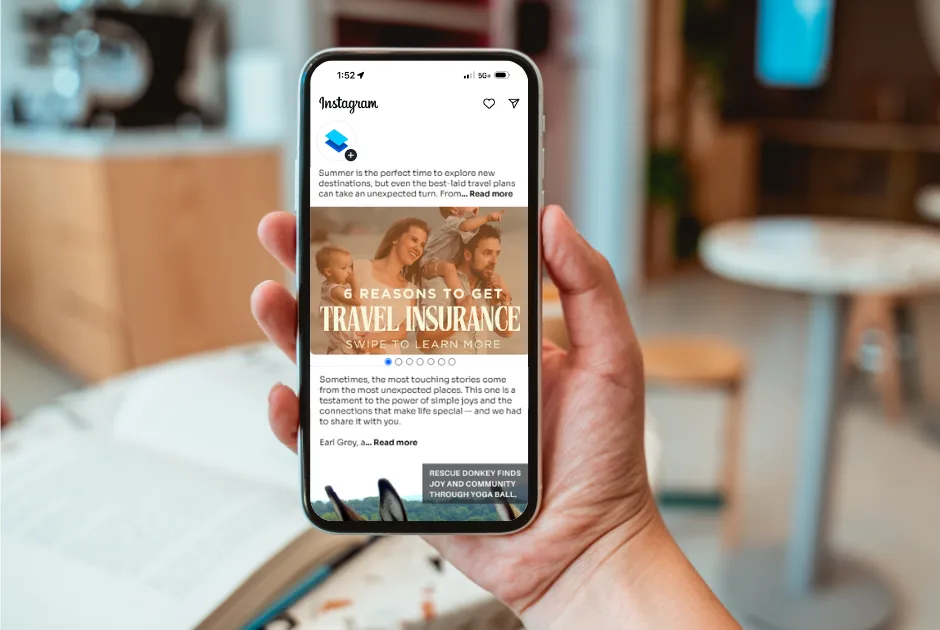
A few posts a week, or even a few a month, can make a difference. Try:
- A short video explaining one thing most people get wrong about renters insurance.
- A seasonal safety tip, like keeping pipes from freezing or prepping for hurricane season.
- A shout-out to a local business or a community event you're part of.
- A client success story. Get written permission first and check your carrier's and your state's rules on testimonials.
When people see you showing up consistently, you become more than a name on a business card. For more ideas, see our guide to social media content for insurance agents.
How do you ask insurance clients for referrals without being pushy?
Referrals are still one of the best ways to grow your book of business, but how you ask matters. You want clients to feel appreciated, not pressured.
The best time to ask is right after a good moment: a claim handled well, a policy review that saved them money or a thank-you from the client.
Here's a simple referral email that strikes the right tone:
Hi [First Name],
I hope all is well for you and your family!
I wanted to send a quick note asking you to kindly keep us in mind should anyone in your network be in need of insurance coverage or guidance. I'm always happy to help.
We work heavily off of referrals, so we always make a point of asking our great clients if they know anyone.
Stay well,
[Your Name]
Thinking about thanking clients with a gift for referrals? Check your state's rules first, since some states limit what insurance agents can give.
How do insurance agents show up in local Google searches?
When someone searches "insurance agent near me," Google shows local results first. Your Google Business Profile is what appears there.
Google says local results are based mainly on relevance, distance and popularity, and that "businesses with complete and accurate info are more likely to show up in local search results." Reviews matter too. Google notes that more reviews and positive ratings can improve your local ranking, and that replying to reviews shows customers you value their feedback.
To get the most from your profile:
- Fill in every field: address, hours, phone, website and services.
- Choose the right business category.
- Ask happy clients for reviews, and reply to every one. Here's how to ask for a review the right way.
- Post updates and photos now and then so the profile looks active.
How often should insurance agents follow up with clients?
Plan to reach out about once a month, plus the moments that matter to each client. Many agents lose momentum because they don't have a clear system for staying in touch.
Good touchpoints include:
- Birthday and policy anniversary notes
- Renewal and policy review reminders
- Seasonal tips, like winter weather or summer travel
- A quick "thinking of you" note when you haven't talked in a while
Need ideas for what to send each season? Here are content ideas for insurance agents to engage clients this winter and beyond.
How can you keep up with follow-ups without burning out?
You don't have to be everywhere or do everything. The agents who win are the ones who keep showing up in personal, helpful ways.
The easiest way to stay consistent is to set up follow-ups once and let them run. Levitate's automations send birthday notes, renewal reminders and check-ins by email, text or handwritten-style card on the dates already in your client data, and the emails come from your own inbox. Learn more about how Levitate works for insurance agencies.
Ready to stay in touch with every client without adding hours to your week? Book a demo and we'll help you set up your first follow-ups.
Frequently asked questions
What is the best marketing for a new insurance agent?
Start with people who already know you. Personal check-ins, a complete Google Business Profile and a simple referral ask usually bring in business faster than paid ads.
How do insurance agents get referrals?
Ask right after a positive moment, like a claim handled well or a helpful policy review. Keep the ask short and friendly, and check your state's rules before offering anything in return.
Should insurance agents be on social media?
Yes. Most U.S. adults use Facebook or YouTube, so a few helpful local posts a week keep your name in front of your community.
How often should insurance agents contact clients?
About once a month works for most agents, plus birthdays, renewals and policy anniversaries. Consistency matters more than volume.