We've recently updated our Terms of Service and Privacy Policy.

Repurposing content across platforms is one of the most effective ways for small businesses to stay consistent online without increasing workload. Instead of constantly creating new content ideas, repurposing allows you to maximize the value of what you already produce. One strong idea can become blog posts, social media updates, videos, carousels, quotes, and more—each tailored to the platform where your audience consumes content. In this article, you’ll learn a practical, repeatable workflow for transforming one piece of content into multiple formats across platforms while maintaining clarity and relevance.
Time and resources are limited for most small businesses. Repurposing content solves two major problems: inconsistency and burnout. When businesses try to create new content for every platform independently, posting often becomes sporadic or unsustainable.
Repurposing content allows you to:
This approach works best when paired with structured planning, such as the system outlined in How to Create a Social Media Content Calendar.
Repurposing is not copy-pasting the same content everywhere. Effective repurposing adapts the core idea to fit the expectations, formats, and behaviors of each platform.
Understanding this distinction ensures repurposed content still feels relevant.
Effective repurposing begins with a high-quality “pillar” piece of content.
Blog posts are especially effective starting points because they already contain structure, depth, and multiple subtopics within them.
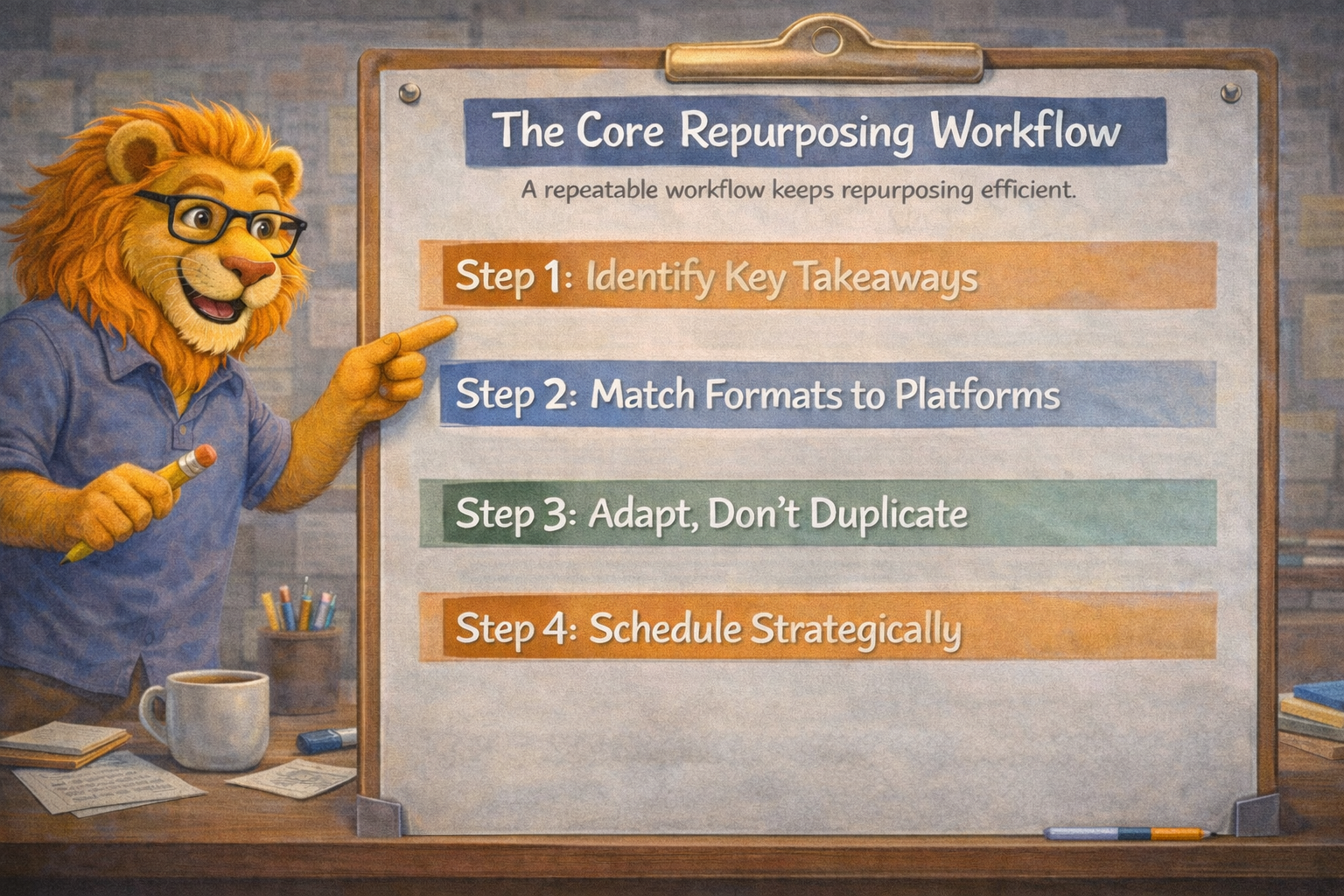
Pull 5–10 main points, tips, or insights from the original content.
Decide which formats make sense for each platform.
Rewrite or restructure content to match platform behavior.
Distribute repurposed content over time rather than all at once.
This workflow integrates naturally into content systems like those described in What to Post on Social Media for Business.
Blog posts are one of the most versatile content sources.
From one blog post, you can create:
1 blog post →
This approach ensures blog content continues driving value long after publication.
Carousels perform well on platforms like Instagram and LinkedIn.
Carousels are especially effective for step-by-step or list-based content.
Video content can be repurposed extensively.
From one long video, you can create:
A 10-minute video →
This strategy multiplies reach without additional filming.
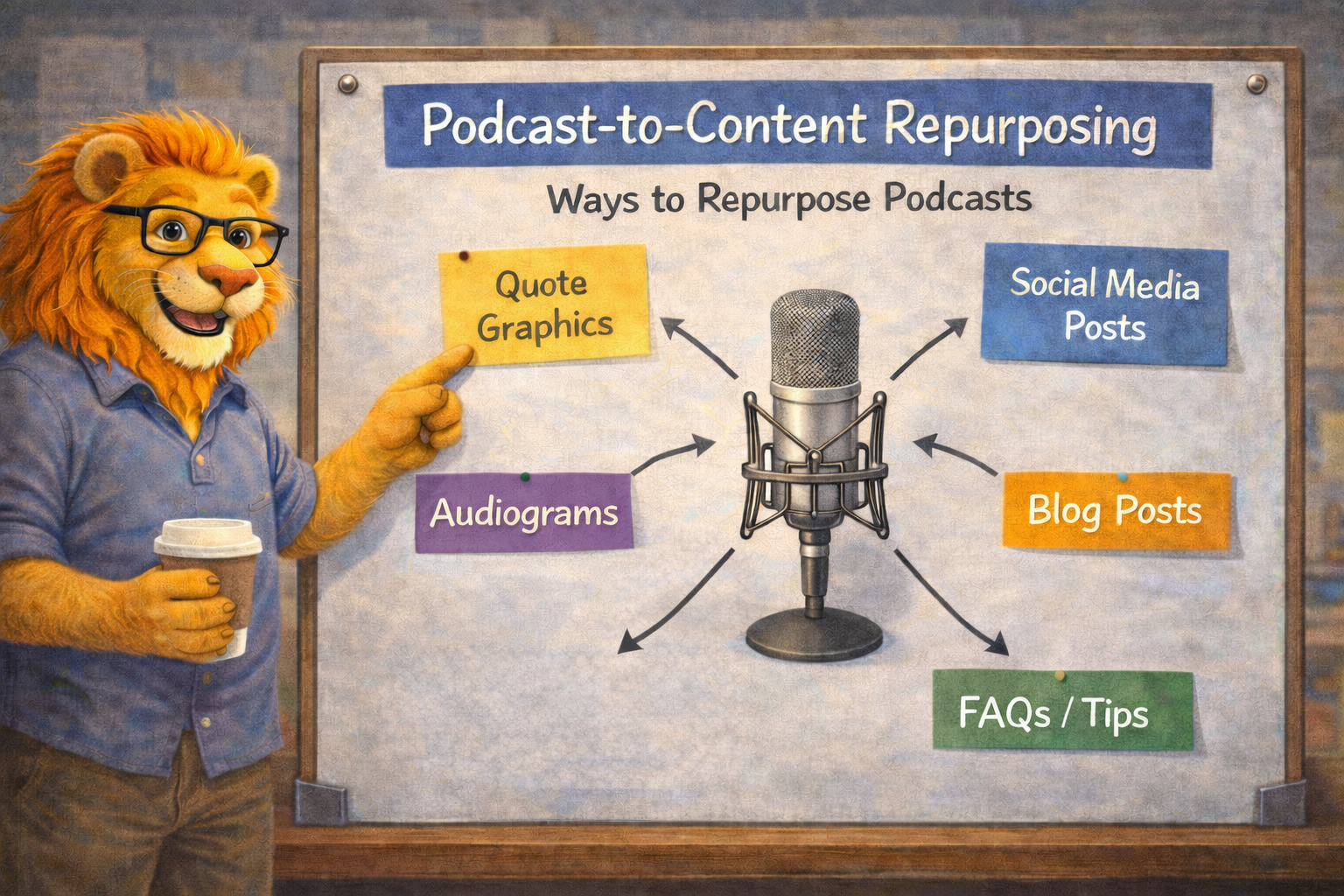
Podcast repurposing works well for thought leadership and education-focused brands.
Repurposing isn’t only about education. Engagement content extends reach.
These adaptations support visibility and align with strategies in How to Increase Engagement on Social Media.
Each platform requires slight adjustments.
Adapting format and tone ensures content feels native to each platform.
Service providers benefit significantly from repurposing.
This approach pairs well with the content types outlined in Content Ideas for Service-Based Businesses.
Repetition builds recognition when done correctly.
Most audiences will not notice repetition, especially across platforms.

A calendar prevents overuse and ensures balance.
You don’t need complex tools, but organization helps.
Many businesses struggle because they:
Avoiding these mistakes keeps repurposed content effective and engaging.
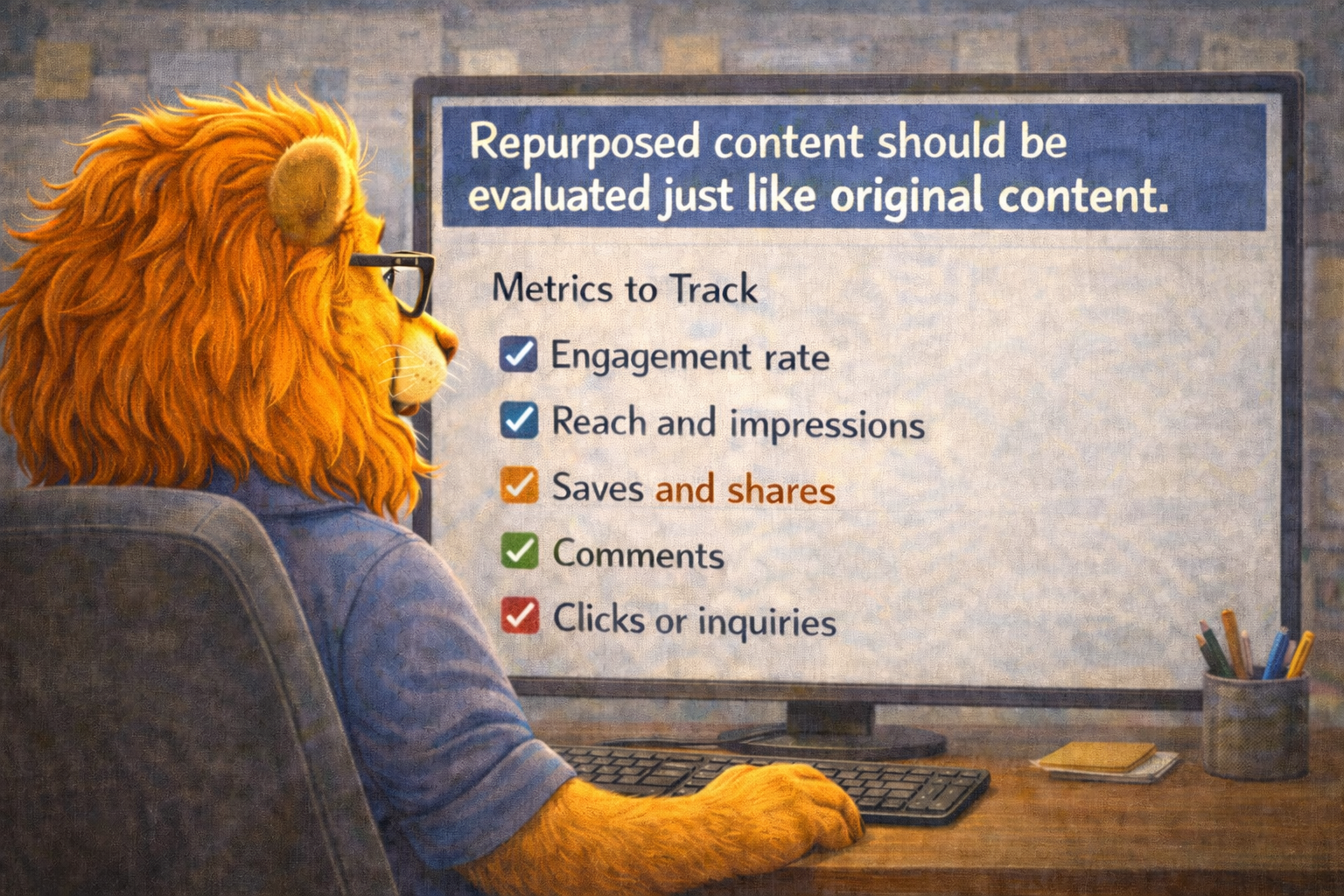
Repurposed content should be evaluated just like original content.
High-performing repurposed content often indicates strong core messaging.
Consistent messaging across platforms strengthens brand recognition and authority. Over time, audiences encounter your ideas in different formats, reinforcing trust and familiarity.
Repurposing also supports efficiency, allowing small teams to maintain a strong presence without constant creation pressure.
Learning how to repurpose content across platforms allows small businesses to do more with less. By starting with strong core content, adapting formats thoughtfully, and planning distribution strategically, you can maintain consistency, improve engagement, and extend the life of your best ideas.
Repurposing is not about shortcuts—it’s about working smarter, staying visible, and building long-term momentum across platforms.
We’ll give you a call to set up time for your team and ours to meet virtually for a personalized demo.
Book a Demo


.png)
%20(1).png)
.svg)
.svg)



.png)
